When off-the-shelf isn’t the answer.
FM builds bespoke software for mid-sized companies — when the right SaaS doesn’t exist, when the one you’ve been using stopped fitting, or when the system you depend on is too old to keep extending. Senior-only team, AI as a real collaborator, and you own every line of code.
- Who it’s for
- Small and mid-sized companies who need bespoke software or are replatforming off something that no longer fits.
- What FM delivers
- Discovery and prototyping, then production build by senior engineers with AI as a collaborator.
- Engagement length
- 8–16 weeks for replatforms; longer for net-new platforms.
What is Custom Software?
Custom software is what you build when no off-the-shelf answer fits — or when the answer that used to fit stopped fitting years ago. FM builds the software your business actually runs on, not a generic version of it that you then have to bend the business around.
Two changes have made custom software accessible again. AI as a real collaborator has cut build time by a meaningful margin — not by replacing engineers, but by giving senior engineers more leverage. And the divide between SaaS and bespoke has collapsed: modern tooling means a custom system can be as fast to ship and as easy to maintain as buying something off the shelf.
FM does not build prototypes that need to be rebuilt to ship. The work goes to production. Senior product managers, product designers, and engineers work as one team across every engagement — not a sequence of handoffs between siloed specialists. Your team operates and extends the system after launch. You own the code, the data, the roadmap, and the relationship with everything underneath it.
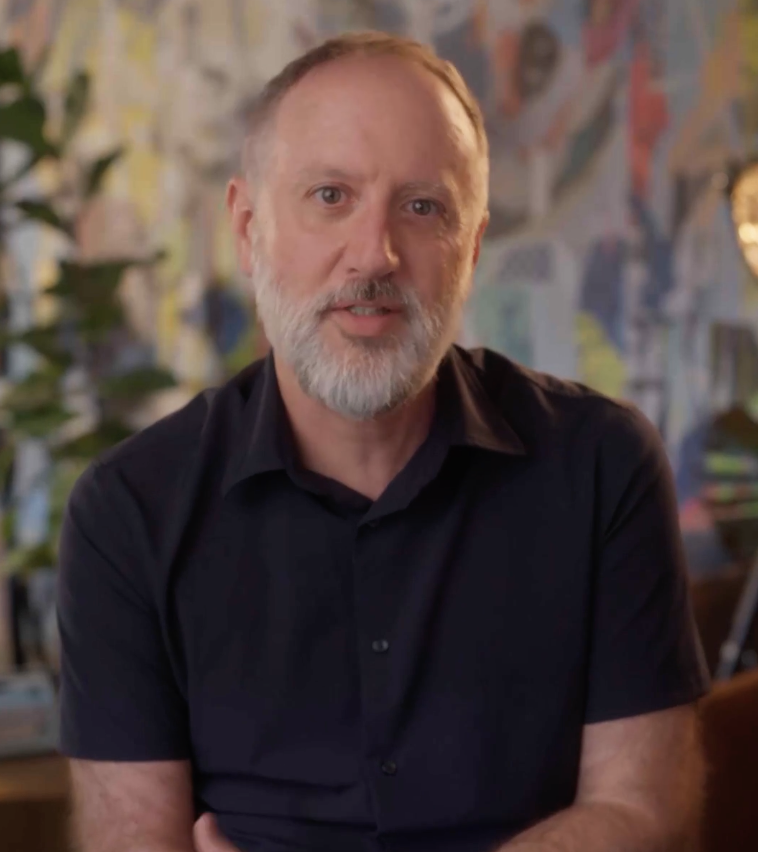
FM Principal Brian Fletcher on the third path for software — why custom is back on the table for small and mid-sized companies.
Tap the video to play in full screen.
When do you need Custom Software?
- The SaaS you’ve been using stopped fitting your business years ago.
- No vendor offers what you actually need, only adjacent things.
- Your team is hacking around a platform with spreadsheets and shadow IT.
- You depend on a system that’s too old to keep extending safely.
- Compliance, strategy, or IP concerns mean you need to own the code outright.
- You’re paying for ten times more features than you use, and the few you actually need don’t exist.
When you don’t.
- A clear SaaS fit exists at reasonable cost. Buy it instead.
- You can’t commit a small stakeholder team to weekly demos and feedback. The work won’t land without you.
- You want offshore body-shop pricing. FM is senior-only by design and doesn’t compete on rate.
- You’re early enough that a vibe-coded MVP would suffice. Come back when production stakes are real.
How does FM approach Custom Software?
Custom Software is product, design, and engineering working as one team — not a sequence of handoffs between siloed specialists. The stack matters too: FM picks proven, boring tools where they fit and reaches for newer ones only where the benefit is real. The bar is production-grade from day one, not "we’ll harden it later."
Tools and frameworks FM uses
Next.js + TypeScript
The default frontend and full-stack framework. Server components, server actions, and edge-ready by default. Type-safe end to end.
Tailwind CSS + shadcn/ui
A design system that doesn’t slow you down. Composable components, easy to brand, accessible by default.
Drizzle ORM + Postgres
Type-safe data layer with explicit migrations. The boring, durable choice — important for code that needs to last.
Vercel
Deployment, hosting, edge functions, and image optimization handled by the platform. Less infrastructure to maintain, more time on the actual software.
Claude Code (AI collaborator)
AI integrated into the engineering workflow, not bolted on. FM uses Claude Code to accelerate routine implementation so senior engineers focus on architecture and judgment calls.
Tests, evals, and observability
Built in from day one. Type checks, integration tests, runtime logs, and AI-specific evals where reasoning is in the loop. So you know what’s working and what isn’t.
How an engagement runs
Discovery and Prototyping
- Working prototype of the core workflow you can react to, not just slides
- Scope, architecture, and stack decisions made explicit and written down
- Risk and unknowns list, with how each will be de-risked during build
- A go/no-go decision point — proceed to build, revise scope, or stop
Production Build
- Working software in your environment, demoed weekly with your stakeholders
- Iteration cycles based on what you see, not what was speculated about upfront
- Production-grade code with tests, observability, and documentation as it’s written
- Real users on real data before launch, not the day after
Launch and Stewardship
- Launch coordinated with your team, including any data migration or cutover
- Documentation and training for your operators and your developers
- A maintenance plan: what FM owns ongoing vs. what your team owns
- Optional retainer for ongoing enhancements, or a clean handoff if you want to take it in-house
Technology Replatforms
Shed legacy tech debt with AI-accelerated replatform projects — design, build, and content migration in weeks instead of months.
Bespoke Product Development
Zero-to-one product development for founders and operators building net-new products from the ground up. Discovery, prototype, and production build — you own the code and the roadmap from day one.
Custom AI Knowledge Bases
Your team's knowledge, searchable and conversational, without leaking it into someone else's training data.
Frequently asked questions.
How long does a custom software engagement take?
Replatforms typically run 8–16 weeks. Net-new platforms vary more — anywhere from 12 weeks for a focused tool to several months for a full system. The Discovery and Prototyping phase exists in part to give you an honest range before any large commitment.
How much does it cost?
It depends on scope and complexity, so FM shares a specific range after a 30-minute scoping call. Engagements are priced on outcomes and milestones rather than hours, so the number is the number — no surprise overruns and no incentive for FM to stretch the timeline.
Will we own the code and IP?
Yes. You own every line of code, the database schema, the deployment configuration — everything. No license fees, no per-seat charges, no platform you have to keep paying FM to access. The code lives in your repository, on your accounts, with your team having full access from day one.
Who actually does the work?
Senior engineers, full stop. FM does not have a junior staffing tier or use AI as cover for outsourcing to less experienced people. The trade-off is honest: FM costs more per week than a body shop, and FM delivers in a fraction of the calendar time.
What about ongoing maintenance after launch?
You have a choice. Many clients keep FM on a small retainer for monitoring, security patches, and incremental enhancements. Others take the system fully in-house once their team is up to speed. The handoff phase is structured so either path works — you’re not locked in either way.
What if we want our in-house team to take over the system?
That’s a supported option from day one. The documentation, code quality, and architectural choices are made with handoff in mind. FM also runs training sessions during the Launch and Stewardship phase so your developers understand the system at the level needed to extend it without us.
Ready to talk about Custom Software?
Reach out and we’ll set up a conversation. No hard sell, no decks — just a working session to see whether FM is the right fit.